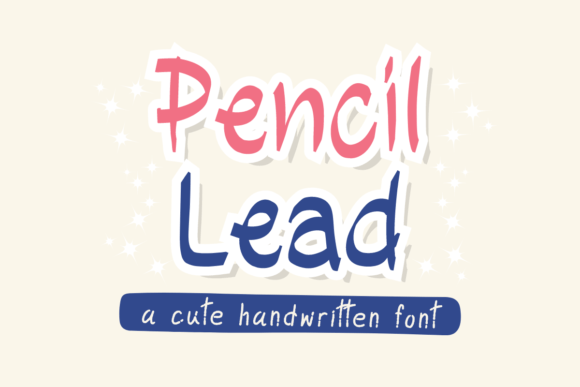
Pencil Lead: A Handwritten Font for Editorial Design
The Pencil Lead font brings a touch of simplicity and charm to editorial design, offering a versatile option for content creators who want to enhance readability and visual appeal. As a handwritten script font, it blends the organic feel of cursive writing with clean, structured lines that are easy on the eyes. This makes it an ideal choice for a wide range of publishing needs, from blog headers to printable worksheets.
With its soft curves and gentle strokes, Pencil Lead evokes a sense of approachability and creativity. It is especially well-suited for projects that require a personal or playful tone, such as lifestyle blogs, recipe collections, or children’s educational materials. Its subtle variations in line thickness also add character without overwhelming the reader, making it a balanced choice for both digital and print formats.
Using Pencil Lead in Editorial Layouts
Incorporating Pencil Lead into your editorial layouts can elevate the overall look and feel of your publications. For blog headers, it adds a friendly and inviting presence, drawing readers in with a warm, handwritten aesthetic. When used for magazine covers, it can create a unique visual identity that stands out on newsstands or digital platforms.
For ebook titles and chapter openers, Pencil Lead offers a fresh alternative to traditional serif or sans-serif fonts. Its handwritten style helps to break up long blocks of text and guide the reader through different sections with ease. In newsletters and creator updates, it can be used for headlines or call-out boxes to highlight key messages and encourage engagement.
Designing with Visual Hierarchy and Mood
Visual hierarchy plays a crucial role in how readers navigate through content, and Pencil Lead supports this by naturally drawing attention to important elements. Whether you're designing a wedding guide, coaching workbook, or digital magazine, using this font for headings and subheadings can help establish a clear structure and maintain reader interest.
The mood created by Pencil Lead is relaxed yet professional, which works well for brands that aim to communicate warmth and authenticity. It pairs beautifully with other fonts, such as a clean sans-serif for body copy or a modern serif for captions and navigation, allowing for a cohesive yet dynamic typographic system.
When designing quote graphics or pull quotes, Pencil Lead adds a personal touch that can make even the most common phrases feel fresh and engaging. Its use in printable guides and lead magnets also enhances their visual appeal, making them more likely to be shared or saved by users.
Readability and Practical Considerations
While Pencil Lead is a display font, it maintains good legibility across various media. On screens, its soft curves render smoothly at different sizes, ensuring that it remains readable even when scaled down for mobile layouts. When exporting to PDF or print, the font retains its character without losing clarity, making it a reliable choice for both digital and physical publications.
For longer reading passages, it's best to pair Pencil Lead with a more readable typeface. This ensures that while the font adds visual interest, it doesn't compromise the overall reading experience. A common pairing might include a modern serif font for body text, allowing Pencil Lead to serve as an accent or headline font without distraction.
When selecting font styles, it's worth checking if Pencil Lead includes alternate characters, ligatures, or multilingual support. These features can enhance the font's versatility, particularly for international publications or projects that require a wider range of typographic options.
Branding and Commercial Use
For content creators looking to build a strong brand identity, Pencil Lead can become a signature element of their visual style. Its consistent tone and personality make it a great asset for logo design, packaging design, and social media graphics. When used consistently across different platforms, it reinforces brand recognition and creates a unified visual language.
If you plan to use Pencil Lead in commercial projects such as ebooks, templates, printables, paid newsletters, or client publications, ensure that you have the appropriate commercial license. This not only protects your rights as a designer but also ensures that your work meets legal and ethical standards in the publishing industry.
Whether you're creating a digital magazine, printable planner, or course material, Pencil Lead offers a unique way to express creativity while maintaining readability and professionalism. Its blend of charm and functionality makes it a valuable addition to any editorial designer's toolkit, supporting both aesthetic goals and practical needs in content creation.